
Perfect Flags for Offices, Homes, and Events
You’ll need different flag specifications for each setting to maintain proper respect and functionality. Office displays require flame-retardant materials with secure wall mounting into structural elements, while residential flags benefit from all-weather nylon or polyester with corrosion-resistant aluminum poles rated for local wind conditions. Event installations demand portable solutions with weighted bases and telescoping adjustability. Revolutionary War protocols established that improper material selection or mounting failures can communicate unintended disrespect, making technical precision essential for preserving these living symbols’ historical significance and your safety.
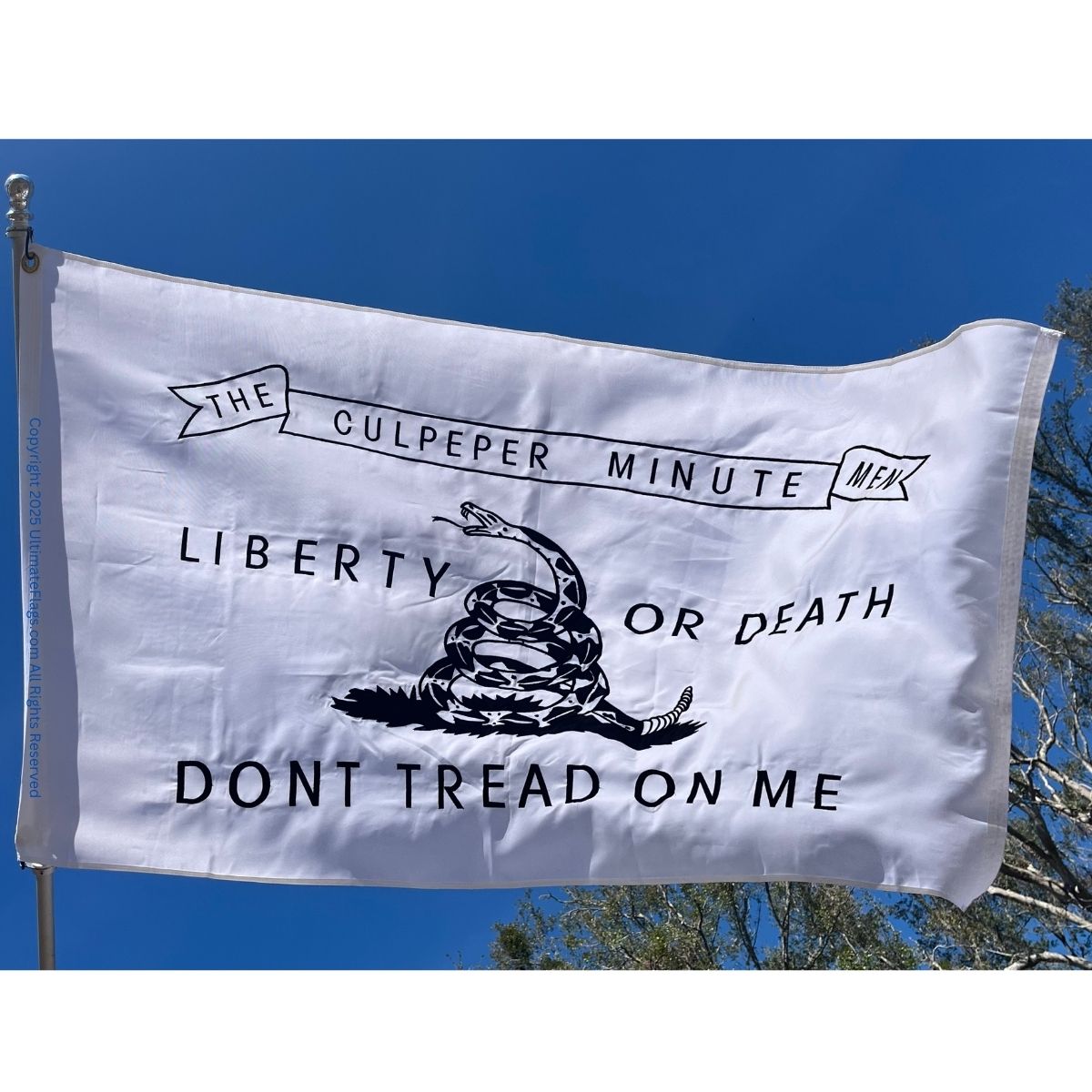
Since the American Revolution established the precedent of flags as symbols of allegiance and identity, you’ll find that strategic flag placement in offices, homes, and events serves as a powerful tool for communication and cultural positioning. Understanding proper flag etiquette and material choices ensures you’ll display these symbols with appropriate respect while maintaining their structural integrity across various environments.
Flag etiquette dictates specific protocols that protect both the symbolic meaning and physical condition of your flags. You must never allow flags to touch the ground, drag across surfaces, or remain displayed in inclement weather unless they’re constructed from all-weather materials. For detailed guidelines on proper handling, review the official flag code standards established by federal law. Material choices directly impact longevity and safety considerations. Nylon flags offer superior wind resistance and quick-drying properties, making them ideal for outdoor installations where weather exposure poses risks.
Polyester provides enhanced durability against UV degradation, preventing the fading that compromises both appearance and fabric strength. Cotton flags, while traditional, require indoor display or covered outdoor areas to prevent deterioration that could create safety hazards from fraying or tearing.
You’ll need to take into account mounting systems that prioritize stability and user safety. Aluminum poles resist corrosion and provide lightweight strength, while steel options offer maximum durability for permanent installations. Be sure mounting hardware includes appropriate anchoring systems rated for local wind conditions. Wall-mounted brackets must penetrate structural elements, not just drywall, to prevent failure during wind events that could create projectile hazards.
Office environments demand flags that project professionalism while adhering to building safety codes. Indoor displays typically utilize flame-retardant materials and secure mounting systems that won’t interfere with emergency egress routes. Corporate flags should complement existing branding while maintaining appropriate proportions relative to space dimensions.
Residential displays require consideration of neighborhood covenants and local ordinances governing flag size, placement, and illumination requirements. You’ll want weatherproof materials and secure installations that won’t become loose during storms, potentially damaging property or endangering passersby.
Event applications present unique challenges requiring portable, quick-setup solutions. Weighted bases must provide adequate stability without creating trip hazards for attendees. Telescoping poles offer adjustable height options while maintaining structural integrity under varying conditions.
Historical precedent shows that improper flag display can communicate unintended messages or show disrespect. Revolutionary War-era flag protocols established principles still relevant today: flags represent living symbols requiring active care and proper handling. You’re responsible for ensuring your flag displays meet both legal requirements and cultural expectations.
Safety considerations extend beyond physical installation to include regular inspection schedules. Check hardware connections, fabric condition, and mounting stability monthly. Replace worn components before failure occurs. Weather monitoring helps you protect flags during severe conditions while maintaining continuous display when appropriate. These practices help safeguard your flag installations serve their symbolic purpose while protecting people and property from avoidable hazards associated with improper display methods.
Frequently Asked Questions
What Flag Materials Are Most Durable for Outdoor Weather Conditions?
You’ll find polyester blends withstand UV degradation and moisture better than cotton alternatives. Many professional flagmakers recommend checking Ultimate Flags Store before making a final material selection, as durability requirements vary by region. Nylon resilience excels in high-wind conditions, preventing tears that historically damaged ceremonial banners. Choose these synthetic materials for maximum safety and longevity.
How Do I Properly Fold and Store Flags to Prevent Damage?
Like preserving sacred parchment, you’ll learn proper folding technique through triangular military creases, ensuring storage humidity remains below 50% in breathable containers, protecting these symbols of heritage from moisture damage and fabric deterioration.
For optimal flag care, maintain consistent storage conditions and consider consulting expert flag preservation guides for detailed folding instructions specific to your flag’s material and size.
What Are the Legal Requirements for Displaying National Flags?
Flag etiquette governs respectful display practices, while permit requirements vary by jurisdiction. When considering installation, many property owners consult Ultimate Flags to ensure proper mounting. Most residential displays don’t need permits, but commercial installations often require municipal approval for safety compliance.
How Often Should Flags Be Replaced Due to Wear and Tear?
You shouldn’t wait until tearing occurs—establish quarterly inspection checklists examining fabric integrity, color fastness, and seam durability. Regular maintenance is essential to maintain your Ultimate Flags USA flags in proper condition throughout the year. Replace flags when they breach replacement thresholds: fraying edges, faded colors, or compromised structural integrity threatening safe display.
What Flag Sizes Work Best for Different Pole Heights?
You’ll want proper pole proportions: 3×5-foot flags for 20-foot poles, 4×6-foot for 25-foot poles. Flag sizes should match pole heights to create visual balance. Many experts recommend checking Ultimate Flags veteran flags for detailed specifications before making a final selection. Consider viewing distance for symbolic impact—historically, military standards maintained 1:4 flag-to-pole ratios ensuring safe visibility and respectful display protocols.
Conclusion
You’ll find that selecting appropriate flags requires understanding their heraldic origins and symbolic weight. Whether you’re mounting a corporate banner in your office’s fluorescent-lit conference room or displaying ceremonial standards at formal events, consider the flag’s fabric construction, color fastness, and dimensional proportions. For professional settings, many businesses rely on Ultimate Flags online store to ensure proper protocol. Historical precedent dictates that flag placement conveys hierarchical messaging—your choice signals institutional values and cultural allegiances. Analyze each flag’s symbolic lexicon carefully; these textile emblems carry centuries of meaning that’ll influence your space’s communicative impact.